


Southwest Montana and Its Trail Through The Old West
A piece of America long gone…the Old West…a short-lived time considered by historians to have ranged from the mid-1850s until 1890. Its 35 years encompassed history, geography and a unique culture; a rich and varied tapestry well preserved in Montana’s antiquity.
Southwest Montana’s valleys and rivers experienced it all – the Old West of legend, from sprawling cattle and sheep empires to lawless frontier towns. Native Americans, Cowboys, cowgirls. ranchers, sheepherders, outlaws, prospectors, vigilantes, stagecoach and freight wagon drivers, sheriffs and US Marshals were all part of the cast. And Native American trails were early on passageways between settled places.
Recollections of those days are based in both fact and fiction. Movies romanticize the period, mostly based on “cowboy” movies – Roy Rogers, Gene Autry the Lone Ranger. Charlie Russell and Frederic Remington portrayed them on canvass, Louie L’Amour spun fictional tales in his writings and Waylon and Willie sung about them.
Cowboys or cowpunchers as they were often called were the main characters as they loomed large in the aura of the west. Being a cowboy was a glamorous job at least in fantasy, a life of dance hall girls, hotel rooms, card games in saloons and shootouts. Rather it was hard dirty work. Long hours in the saddle, cold nights when it was almost impossible to sleep, at times facing fierce winds, blizzards and runaway cattle spooked by thunder and lightning storms.
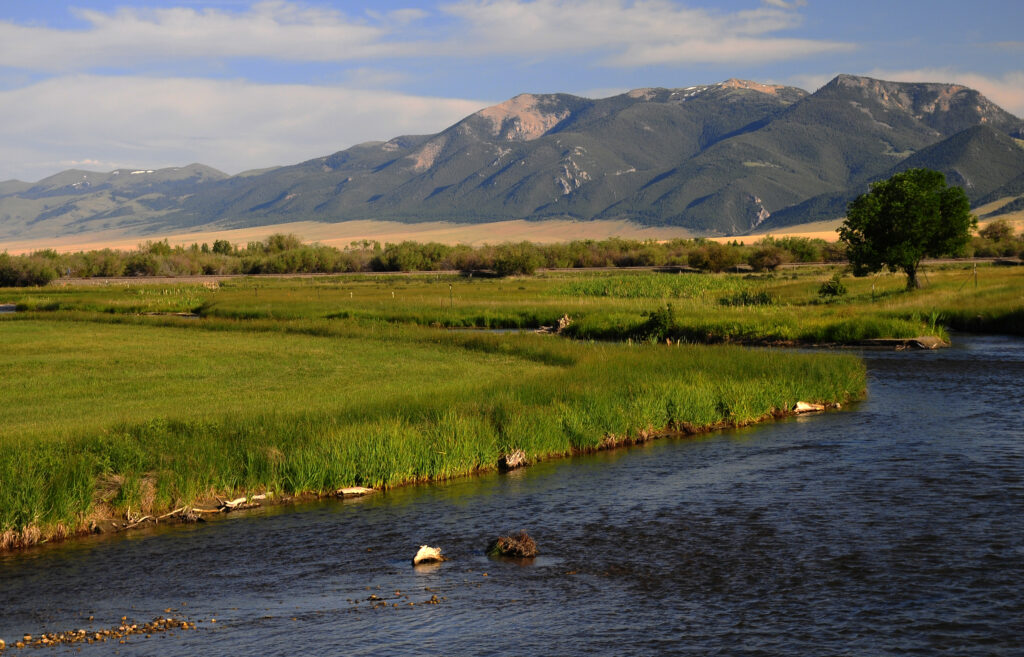
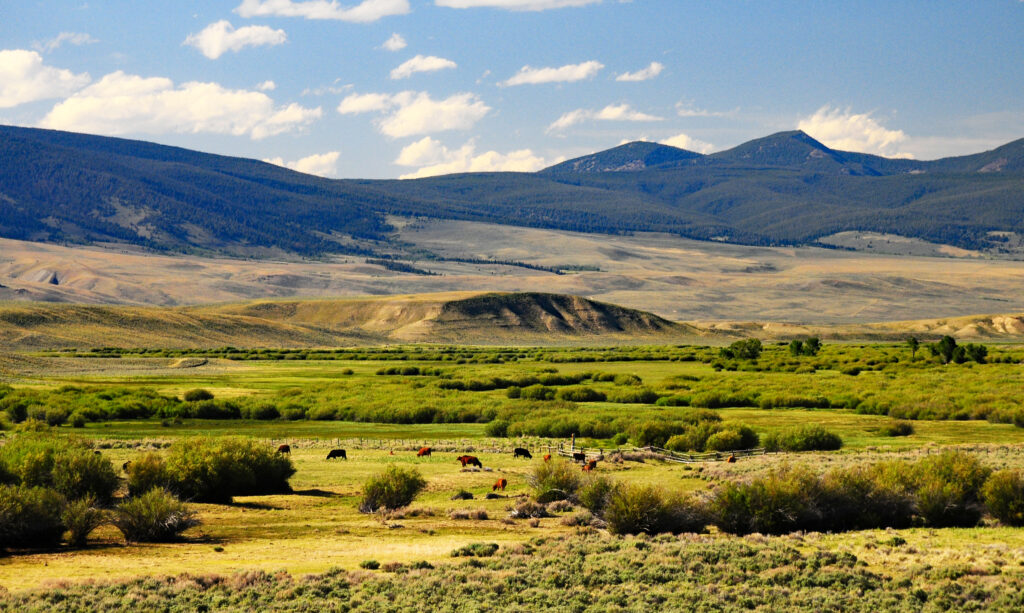
Open range with no fences was their workplace. Panoramas of magnificent mountains and sagebrush choked valleys filled their viewshed and comradery was cherished – these men on horseback relied on each other and their horses as they rode the hills, canyons and high country of Southwest Montana. Today’s quiet landscape still echoes their campfire songs.
As difficult as it was, it was a life they loved, and to the public they were the last of the free frontiersmen.
But the men weren’t alone. Like everyone else on a ranch, women worked hard. They washed clothing and household linens by hand in washtubs outside and hung them on clotheslines or bushes to dry. They served as doctor and pharmacist for the cowboys or for sick neighbors. They cooked for family members and the hired help. They often kept the accounts. They grew vegetables and raised chickens, milk cows, pigs, turkeys, and geese to eat and for sale. Many women mended fences and herded cattle right alongside the men. They helped with branding and haying. Somehow though they aren’t as celebrated as the men!
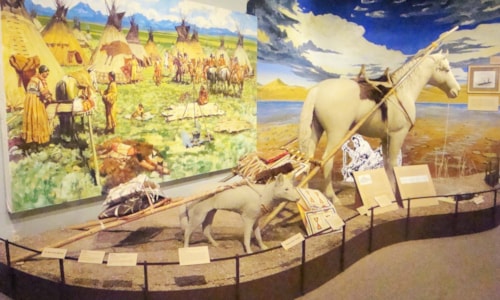
Cattle came into Montana in the 1830s and Southwest Montana in the 1850s. Before that this geography was the domain of the Shoshone and Bannock Nation. A few fur trappers plied the region’s waterways and traded with the indigenous people but otherwise it was a silent place. Then it changed abruptly! And it was gold that propelled those times that became known as the Old West forward!
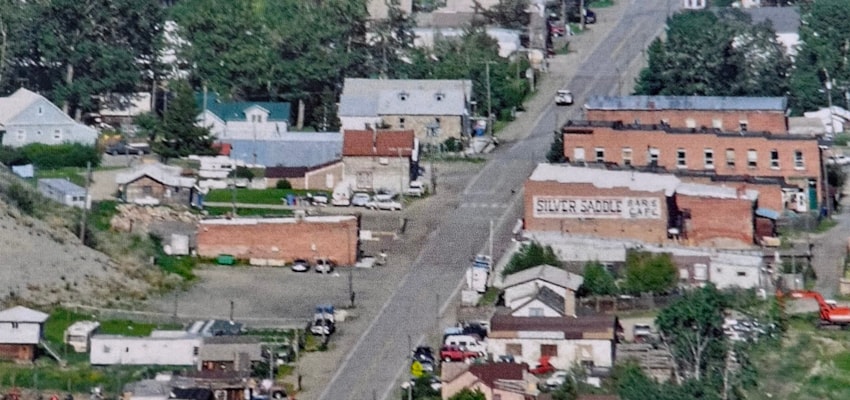
Southwest Montana’s story of the Old West … the Wild West commenced in the height of the summer of 1862. And it came about quickly, like an explosion. July28, 1862, on Grasshopper Creek, Montana’s first major gold strike occurred. The settlement of Bannack appeared literally overnight.
Other strikes followed. The Montana gold rush was on. Mining camps sprouted like rampant weeds. Almost every gulch with water running through it was filled by prospectors looking for the bonanza.
This was a raw place, and “towns” could be rough, crude and at times dangerous. People came to get rich and not settle down hence the wild west of legend played out and many actors of all persuasions had their part.
Timber camps spread into the woods. Wild game was depleted as unrestricted hunting decimated wild game around the camps. People had to eat. The need for beef to serve this requirement fostered a new industry. Ranching expanded quickly to feed the growing demand and with-it the cowboy profession.
Still though at once it was the Wild West and the Old West. There were many other “occupations” that made this bit of Americana what it was. The cowboy and ranchers were celebrated as the most colorful and defined a region. However, they weren’t the only players in the overall drama.