



Montana Sapphire Jewelry, A Gem Born of Big Sky Country
Of course, Montana is known for its big skies, rugged landscapes, and rich mining history. But did you know it’s also home to one of the world’s most unique gemstones? We don’t call it the Treasure State for nothing! Montana sapphires can be found in a few pockets of the state and are cherished for their natural beauty, ethical sourcing, and variety of colors. When cut and polished, these gems carry with them the story of Montana’s frontier past and the brilliance of fine craftsmanship.
The History of Sapphire Mining in Montana
Back in Montana’s pioneer beginnings, as prospectors flooded gulches in search of gold riches, tiny, little, blue gems kept collecting in the sluices of a prospector by the name of Jake Hoover. Hoover was mining for gold on the Missouri River near Helena, Montana. At the time, these little blue gems were more of a nuisance, clogging up his sluice while searching for gold. Eventually, he sent the gems to Tiffany & Co. in New York, where they were examined and determined to be sapphires with very high clarity, with a uniform, radiant, light blue color, described as “cornflower blue.” As the market matured, Montana became recognized as one of the only North American sources of fine sapphire with deposits located near Yogo Gulch, Rock Creek near Philipsburg, Montana, and numerous spots along the Missouri River. Today, Montana sapphires symbolize domestic origin, consistency, and a look favored by jewelers.
Blue Isn’t the Only Hue: Exploring Montana Sapphire’s Hidden Color Spectrum, from Pink and Yellow to Deep Black
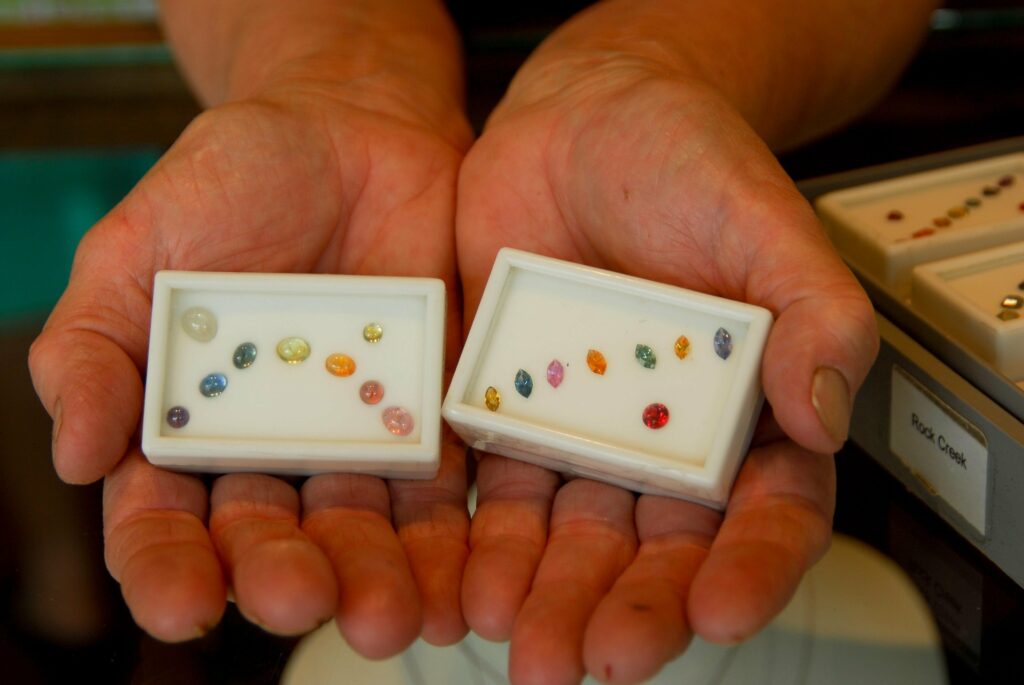
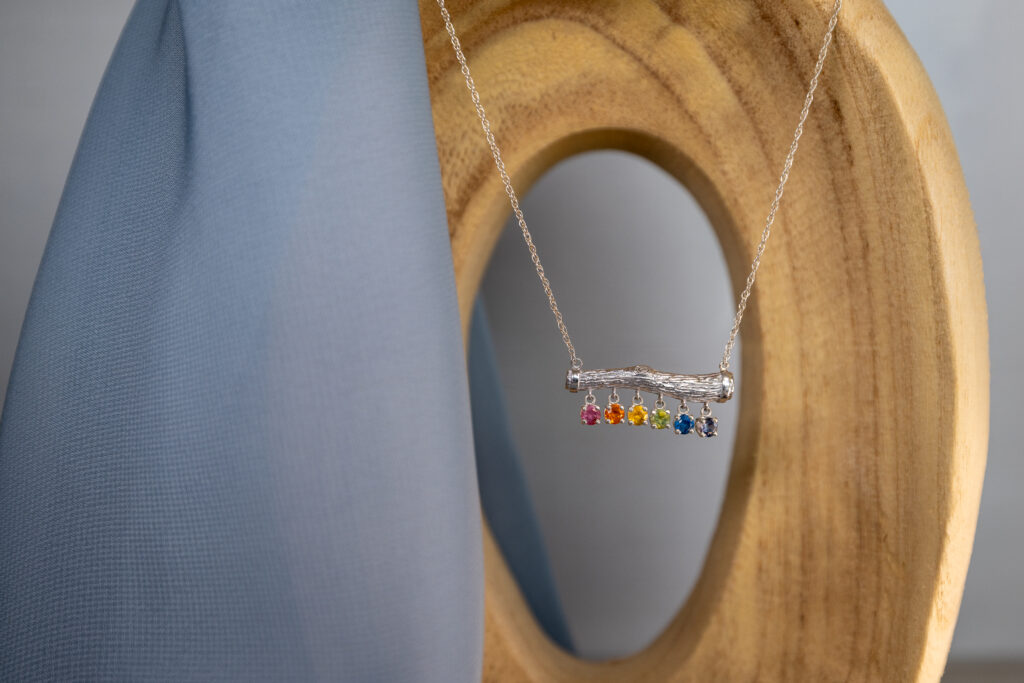
What makes Montana sapphires so unique and special is their wide range of colors. Beyond classic cornflower blue, Montana sapphires can be found in teals and blue-greens, soft to vivid pinks, champagne to lemony yellows, sage to forest greens, and even rare black and iridescent sapphires. These colors arise from trace elements in the sapphires, like iron and titanium, causing blues and teals, while chromium tints the sapphire pink, and iron will color the sapphire yellow and green. You’ll also see two or three colors in one sapphire, expertly called parti-colored, which feels one-of-a-kind.
Heat-treating the gems further enhances their clarity and color. Thoughtful cutting can nudge a stone warmer or cooler, revealing the spectrum hidden in the rough and giving designers a remarkable creative range. Setting choices further refine and enhance the sapphire’s unique colors, helping designers fine-tune the final look, like using white gold with a teal sapphire or yellow gold with a champagne colored gem. The result? Color options are versatile enough for minimalist solitaires, statement cocktail rings, and cohesive jewelry sets.
Color, Clarity, Durability, and Value of Montana Sapphires
For Montana sapphires, color leads value. Balanced colors, medium tone, and excellent saturation command a premium value. Clarity comes next. Clean stones without any silk typically outprice other gems, while silk can oftentimes create a soft, velvety glow; it’s all up to personal preference and style. The cut of the gemstone is highly important. Precise faceting maximizes brilliance and can elevate mid-saturated gems into standout pieces. Additionally, heat-treatment and the disclosure of the process influence a sapphire’s value. Unheated sapphires with excellent color are rarer, while quality heat treatment can refine hue and clarity and is widely accepted.
You may have heard that diamonds are the most durable and hardest gemstone available, and while this is true, it’s important to note that Montana sapphires are incredibly durable, ranking right behind diamonds on the Mohs Hardness Scale. This scale ranks a mineral’s scratch resistance on a scale of 1-10, with diamonds ranking at 10, and sapphires ranking at 9. This makes Montana sapphires an excellent choice in everyday jewelry because of their durability and beauty.
Why Montana Sapphires are Among the Most Ethical Gems in the World
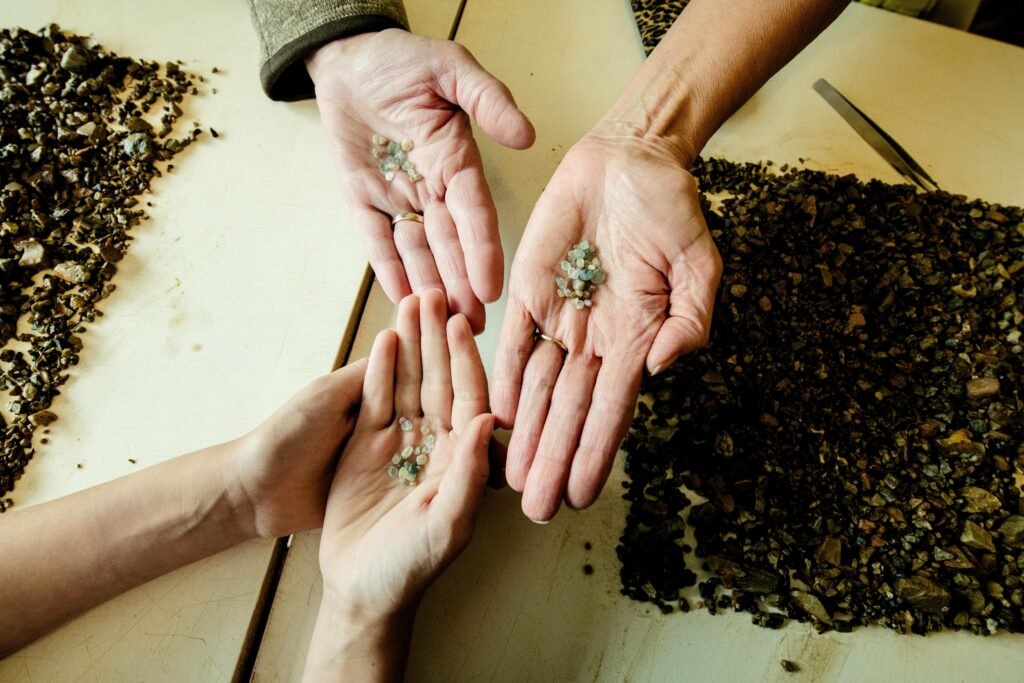
Unlike many gemstones that travel through long and oftentimes murky supply chains, Montana sapphires are mined on a small scale, right here in Montana. Montana sapphires are among the most traceable gemstones in the world. Buyers often know exactly which mine their gem came from, which is rare in the global gemstone industry. This transparency gives peace of mind to consumers who want to avoid conflict gems.
Montana sapphire mines operate under strict U.S. labor, safety, and environmental regulations, which ensure that there’s no child labor or exploitative working conditions. Workers receive fair wages and safe working environments, and mining activities are subject to state and federal oversight. Montana sapphire mines are often regarded as excellent places to work, often paying workers above the regional average.
Additionally, local Montana sapphire mines operate with care for the surrounding land, replacing the topsoil and replanting native trees and plants after they’re done. And the mine sites are regularly inspected by the Department of Environmental Quality and the Mining Bureau, leaving a far lighter footprint on the earth than large industrial operations overseas.
The Meaning Behind Sapphire Jewelry
Sapphires have long symbolized wisdom, fidelity, and protection, making them a natural choice for engagement rings and heirloom pieces. Blue communicates trust and calm; pink reads romantic and hopeful; yellow suggests warmth and optimism; green feels fresh and grounded; black leans modern and bold. As September’s birthstone, sapphire bridges personal meaning with everyday wearability thanks to the sapphire’s durability (Mohs 9), making it a great choice for pieces that mark life’s milestones.
Montana Sapphire Jewelry for Every Style, from Classic to Contemporary
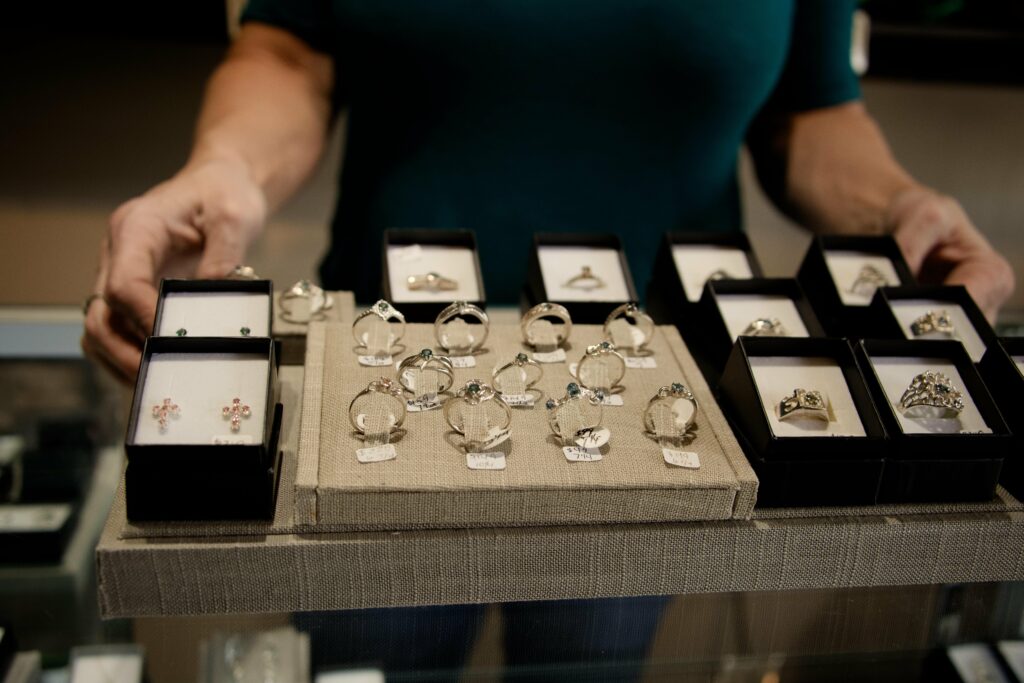
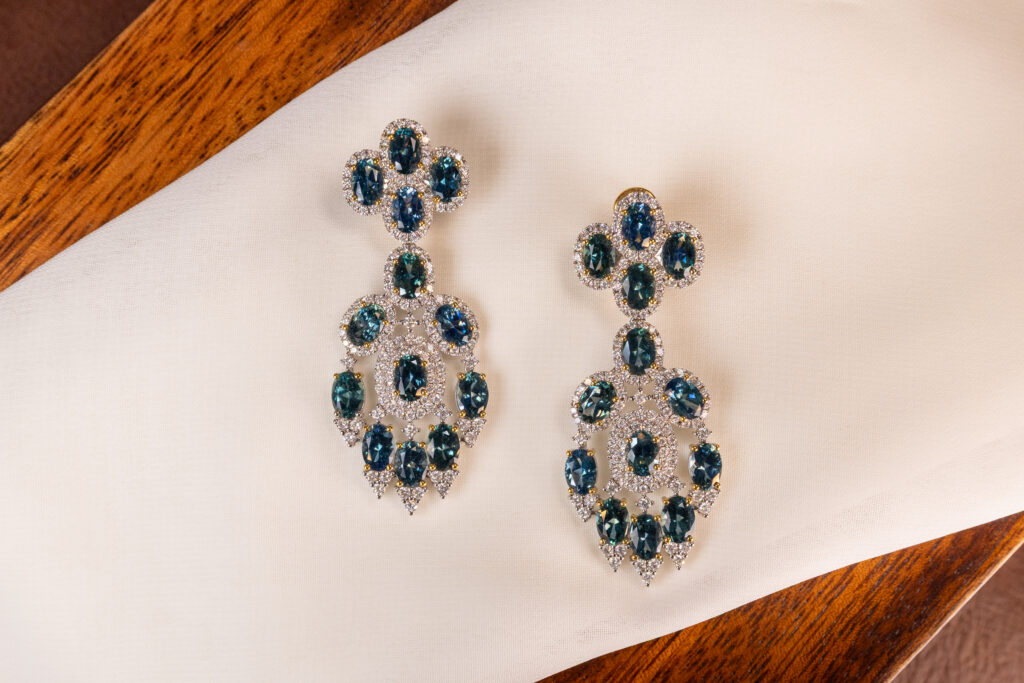
Montana sapphires translate seamlessly across aesthetics. For a more timeless look, sapphires can be arranged with round or oval center stones, diamond halos, and three-stone rings in platinum, white, or yellow gold. More contemporary and modern styles of Montana sapphire jewelry can be arranged as well, with pear-cut gems in east-west or bezel settings, geometric kites or cushions, asymmetric clusters, and mixed-metal stacks. For daily wear, Montana sapphire earrings, necklaces, and slender stacking bands add refined color without fuss. Men’s and gender-neutral designs pair sapphires with brushed finishes, channel settings, or low-profile bezels for durability. Building a matching set of earrings, a pendant, and a band, in complementary hues like blue and champagne, or teal and white diamonds, delivers a polished collection of jewelry.