


Wildlife Viewing Spots in Southwest Montana
The changing seasons in Southwest Montana bring more than golden hillsides. Cooler temps and quieter trails make wildlife easier to spot. Making the fall, hands down, the best season to watch wildlife in Southwest Montana. From pronghorn, birds, and even grizzly bears, this blog will cover our tips for recreating responsibly around wildlife, the critters who call Southwest Montana home, and some of our favorite wildlife viewing spots.
Recreate Responsibly
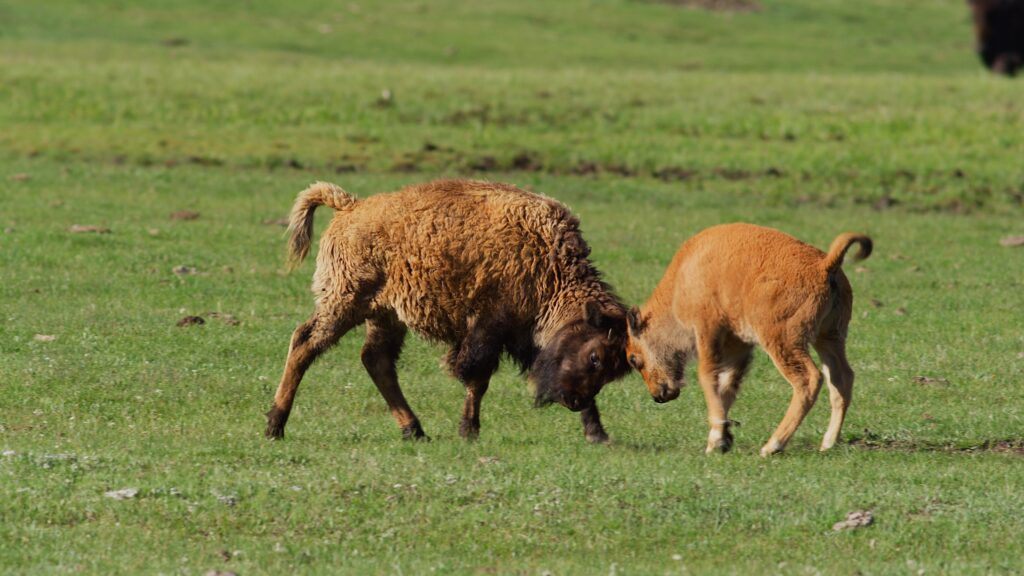
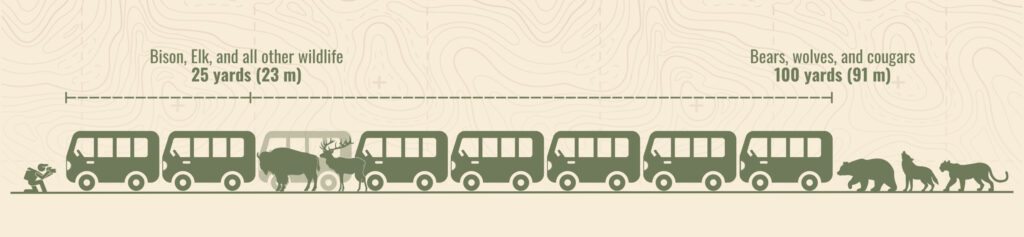
Wildlife watching is at its best when animals stay wild and people stay safe. In autumn, elk are in the rut and bears are packing on calories, meaning they’re more active and less afraid of humans. So give every critter room to be wild. Stay at least 25 yards from most wildlife and 100 yards from bears, wolves, and cougars.
Be bear aware, keep dogs leashed, carry bear spray, and secure anything that smells, including food, fish, and trash. If an animal changes its behavior around you, that’s your cue to back up and give them space. Stay on designated trails, steer clear of bird nests and den sites, and let nature speak for itself. Don’t play bird songs or calls to attract nearby birds. This can confuse and stress animals. If you’re hunting, check the seasons and closures. Also, wear blaze orange when appropriate.
The Animals That Live in Southwest Montana
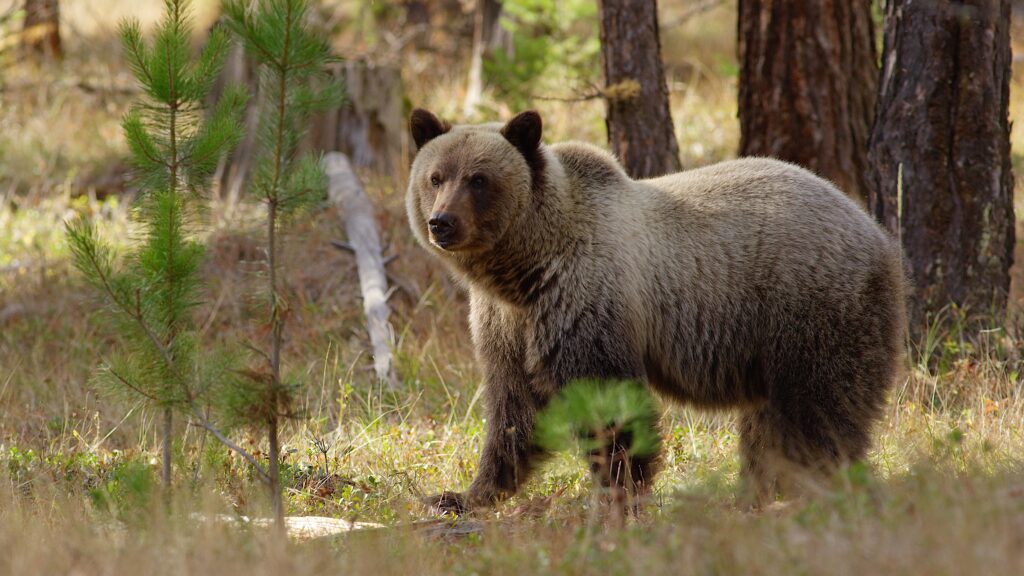
Southwest Montana hosts a wide variety of ecosystems, from wetlands, river valleys, thick forests, and high mountains, each with distinct wildlife that calls the area home. Montana is home to over 100 mammal species and 440 bird species. The state also has a variety of reptiles, amphibians, and an abundance of wild game. In Southwest Montana, predators such as wolves, mountain lions, and coyotes roam freely. Bobcats and foxes can also be found in the area. The region is home to both black bears and grizzly bears. So, be bear aware while exploring. If you encounter a bear, make sure to give it plenty of space!
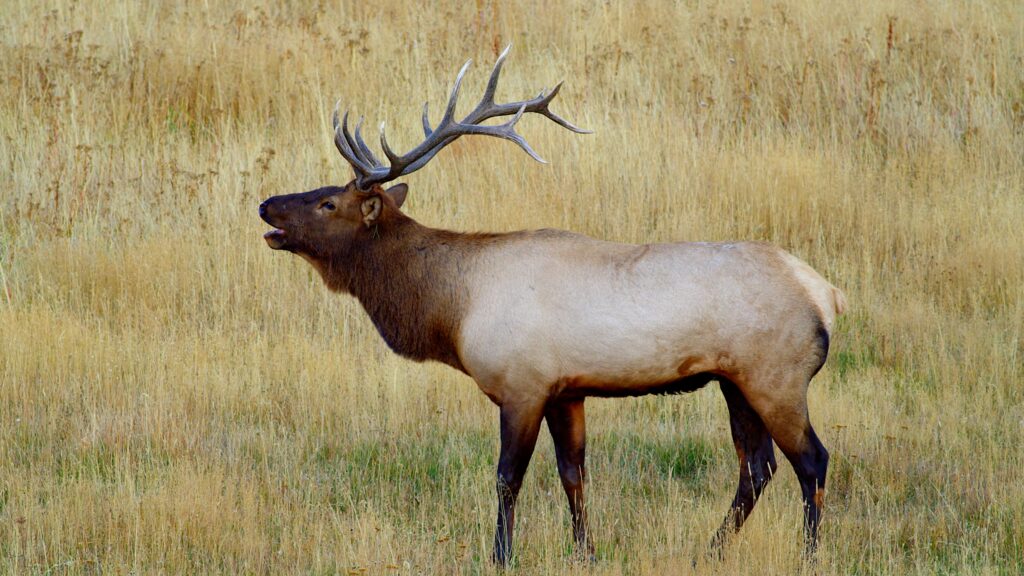
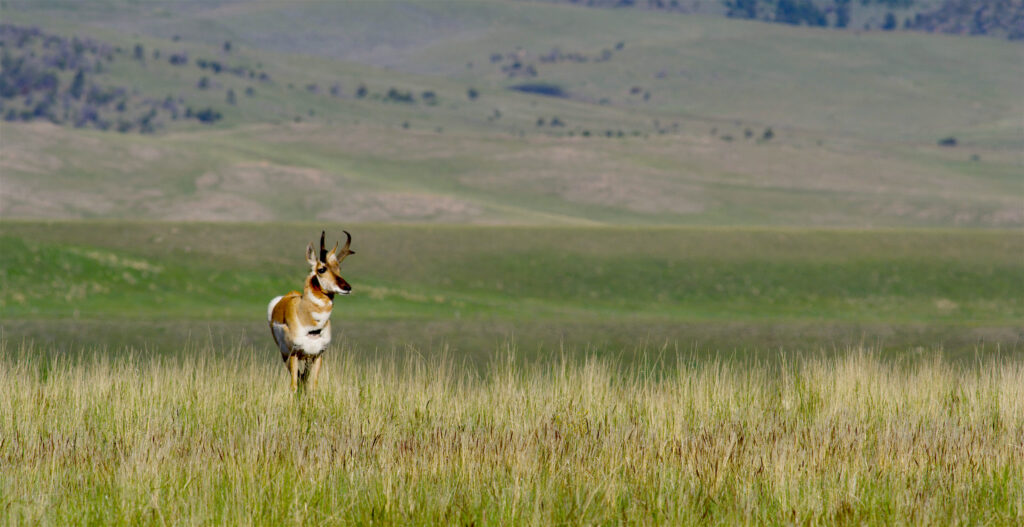
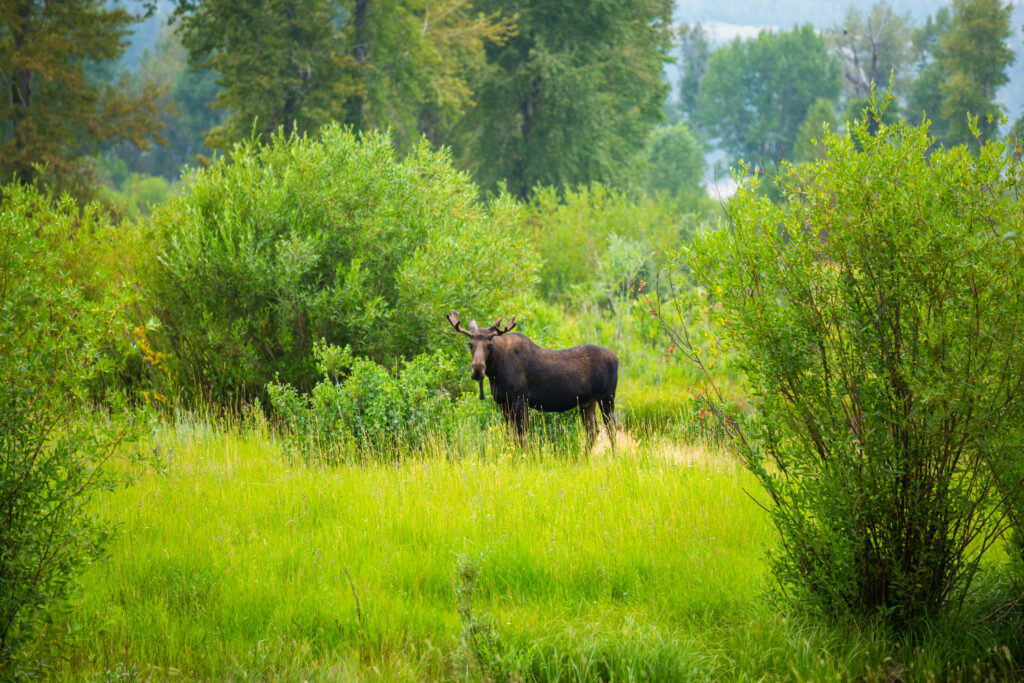
If you’re on the hunt to spot some ungulates, like bison, deer, moose, elk, and pronghorn (often called antelope), look in areas between thick forests and vast, open prairies. These are common paths for deer and elk. They’re also notorious for hanging out near the highway, so keep your eyes peeled for them around dawn and dusk! To spot a moose, you might have to look a bit harder. Moose favor tree-lined creeks and rivers, and swampy backwater sloughs. We like to call their preferred home moose muck.
For birders, Southwest Montana is an absolute paradise. The region hosts about 230 bird species, plus an additional 60 species that travel through during migration. Among birders, some favorite species to spot throughout the region are: sage grouse, sandhill cranes, trumpeter swans, great grey owls, snow geese, Clark’s grebes, Lewis’s woodpeckers, mergansers, wood ducks, cedar waxwings, red-tailed hawks, osprey, mountain bluebirds, loons, great blue herons, kingfishers, bald eagles, and so much more. Order a free Southwest Montana birding brochure to help you identify and guide your birding adventures here.
While you might be chasing the thrill of seeing a sow with her cubs, the small moments are equally rewarding. Beavers weave together ponds that serve as habitats for ducks, mergansers, and shorebirds. River otters coast through side channels with ease. Just don’t be fooled by their cuteness. Like all wildlife, otters can become mean and aggressive when they feel threatened. Coyotes hunt for mice among the sagebrush, and red foxes sneak around fencelines. Watch for porcupines waddling toward a cottonwood, a garter snake sunning on a warm stone, or a kingfisher flying down the bend.
Best Spots for Wildlife Viewing
Finding wildlife takes time, and it’s never guaranteed, but these Southwest Montana spots stack the odds in your favor. The best times are usually mornings and evenings. So pack your patience, extra layers, and of course, a scope lens for photos or your favorite pair of binoculars. What you’ll see shifts with the season and weather, but here are a few reliable places to start:
Helena Area
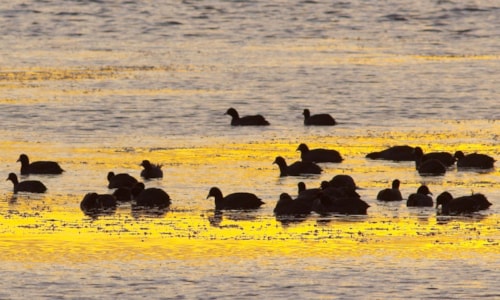
- Canyon Ferry and Lake Helena – Prime spots for waterfowl like Clark’s grebes and other birds like pelicans and gulls. Raptors such as eagles and osprey are regulars, and fall often brings a large staging of ducks and geese.
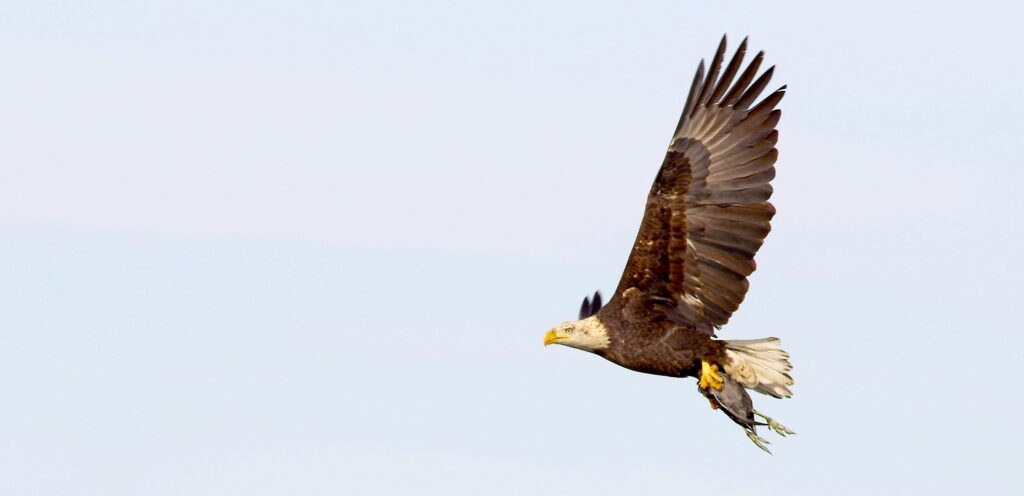
- Gates of the Mountains Wildlife Management Area – As you cruise the Missouri River, keep an eye on the cliffs for bighorn sheep and mountain goats. Also, keep an eye out for bald eagles, golden eagles, osprey, and sometimes a peregrine falcon. Plus, quiet banks may turn up a river otter.
Virginia City – Ennis Area
- Ennis Lake and the Madison River – The upper section of the Madison River is known by anglers for its healthy moose population. Fly fishing trips often see them, along with raptors, and maybe a pronghorn or two. You can see pelicans, loons, raptors, and deer upriver, near Ennis Lake, and in Bear Trap Canyon along the lower Madison.
Anaconda – Philipsburg Area
- Warm Springs Wildlife Management Area – These restored wetlands near Anaconda, Montana, are packed with all kinds of birds, such as teal, ducks, herons, gray partridges, sandhill cranes, and more. Making Warm Springs a favorite spot for birding. It’s not just birds that live at Warm Springs, though; mammals such as muskrats and otters can frequently be seen in calm water, and mule and whitetail deer can often be seen here as well.
- Lost Creek State Park – West of Warm Springs, also near Anaconda, lies a gem of a Montana state park. Sheer limestone cliffs make a habitat for bighorn sheep, mountain goats, and golden eagles. Bring your binoculars here, as they can often blend into the landscape.
- Pintler Veterans’ Memorial Scenic Route – Drive the scenic route between Philipsburg and Anaconda, keeping an eye out for moose in the willow bottoms and beaver ponds. Also, scan the rocks above for bighorn sheep. The surrounding forests are home to elk and black bears. When you spot something, use the pull-outs to park, turn off the engine, and take a moment to soak it all in.
- Georgetown Lake – As you drive along the Pintler Veterans’ Memorial Scenic Route, definitely stop at Georgetown Lake. This area is pretty reliable for spotting ospreys, bald eagles, pelicans, loons, and large groups of waterfowl migrating south in the fall. The surrounding meadows can often host sandhill cranes, pronghorn, and the occasional moose in pockets of willow trees.
Butte Area
- Homestake Pass and Pipestone OHV Areas – Granite ridges, open timber, and pockets of sage create space for lots of different wildlife to roam. At dawn and dusk, mule deer make their way through the shadows. Golden eagles and hawks soar along the ridgelines above. In the fall, berry patches attract bears. You may catch a glimpse of a fox or coyote trotting along a quiet pull-off or two-track.
- Ringing Rocks – Big piles of boulders serve as the perfect home for so many small critters. Here, you’ll hear marmots whistle and see chipmunks darting between rocks. If you’re lucky, you might catch a pika squeaking from a cool crack in the boulders. Watch for kestrels and hawks flying above. Also, check the high rocks; you might spot bighorn sheep passing by.