


Discover Lewis & Clark Caverns State Park
Lewis & Clark Caverns, Montana’s Hidden Underground Wonder

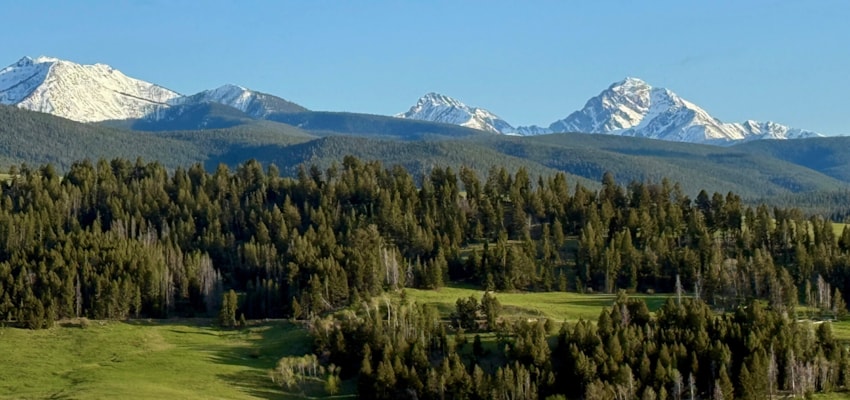
Located east of Whitehall in Jefferson County, Montana, Lewis & Clark Caverns State Park encompasses 3,015 acres and features one of the largest known limestone caverns in the Northwest. Established in 1937, it holds the distinction of being Montana’s first state park.
Access to the caverns is available exclusively through guided tours offered from May 1 to September 30. The park provides two primary tour options.
Classic Tour is a two-hour, two-mile guided walk that includes an elevation gain of approximately 300 feet, over 100 stairs ascending, and more than 500 stairs descending. The tour traverses various chambers and passages, offering insights into the cave’s geology and history.

Paradise Tour is a 1.5-hour, one-mile guided tour that visits the largest and most decorated rooms of the cave. This tour is designed to be more accessible, with only 15 stairs and a mostly level path, making it suitable for visitors with limited mobility or young children.
During December, the park offers limited candlelight tours, providing a unique experience reminiscent of early cave explorations.
Beyond the caverns, the park boasts over 10 miles of hiking and biking trails that traverse varied terrain with elevation changes exceeding 1,000 feet. Trails range from strenuous hikes to more leisurely walks, such as the Nature Loop Trail and the Fishing Access Trail, which leads to the Jefferson River.

The park’s campground operates year-round and includes 40 campsites, three cabins, a tipi, and a group camping area. Hiker/biker sites are available on a first-come, first-served basis. Seasonal amenities from May through September include showers, potable water, an RV dump station, a visitor center with interpretive displays, a gift shop, and a café.
These caverns serve as a summer roosting site for Townsend’s big-eared bats. To protect these bats from white-nose syndrome—a fungal disease that has caused significant bat mortality—visitors are required to avoid bringing clothing or gear that has been used in other caves or mines. This precaution helps prevent the potential spread of the fungus.
While the Corps of Discovery passed near the area in 1805, there is no evidence they discovered the caverns. The caves were first explored by local hunters in 1892. The site was designated as a national monument in 1908 and later transferred to the state, becoming Montana’s first state park in 1937.