


Red Rock Lakes National Wildlife Refuge
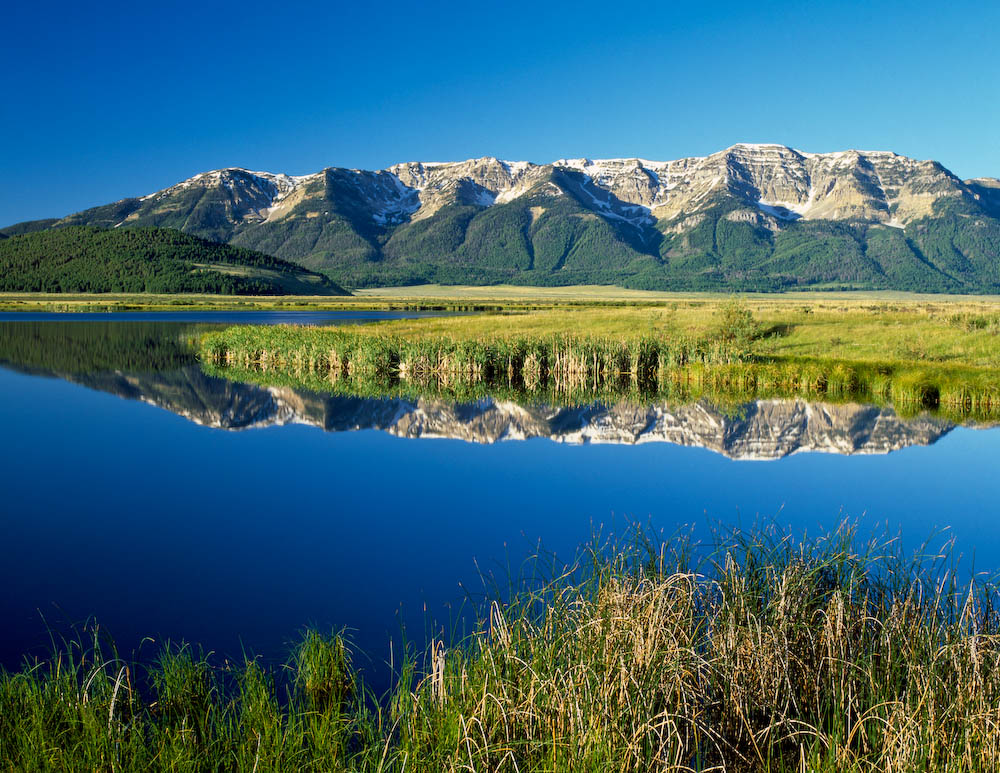
One of the most biodiverse wetland habitats in the West, Red Rock Lakes Wilderness is a testament to the benefits of protected habitat.
West of Yellowstone National Park and just north of the Montana-Idaho border, the Red Rock Lakes Wilderness encompasses 32,350 acres of wildlife refuge, contributing to one of the biggest wetland complexes in the Greater Yellowstone Ecosystem.
Beyond thousands of acres of high-elevation wetland habitat, the wilderness covers a diverse array of ecosystems. Sagebrush, grassland, wildflower meadows, willow fens, alpine rock faces, and forested slopes converge to form a crucial wildlife passage between Yellowstone and the surrounding regions. Elevation ranges from 10,000 ft in the Centennial Mountains and down to 6,600 ft in Centennial Valley.
On April 22, 1935, President Franklin D. Roosevelt recognized a portion of Southwest Montana, as the Red Rock Lakes Migratory Waterfowl Refuge, was later revised as the 53,000-acre Red Rock Lakes National Wildlife Refuge in 1961. In 1976, about half of the refuge area was designated as wilderness for additional protection, which the U.S. Fish and Wildlife Service entirely manages.
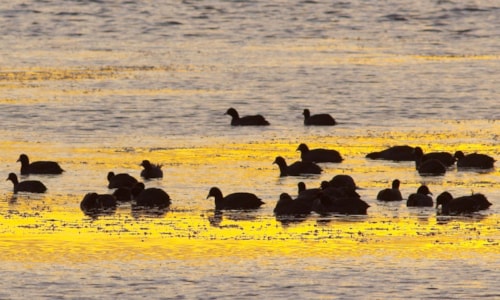
Renowned for wildlife opportunities, the elusive trumpeter swan and bountiful moose population draw visitors to remote wetland viewpoints. Birders can catch glimpses of a variety of birds, including sandhill cranes, grouse, blue herons, eagles, peregrine falcons, owls, and 18 known species of duck. Elk, deer, and pronghorn migrate into Centennial Valley during the spring, while wolves, beavers, foxes, badgers, coyotes, pika, and grizzly stay year-round. In fact, grizzly sightings are so common that visitors are strongly advised to practice bear safety and have readily accessible bear spray.
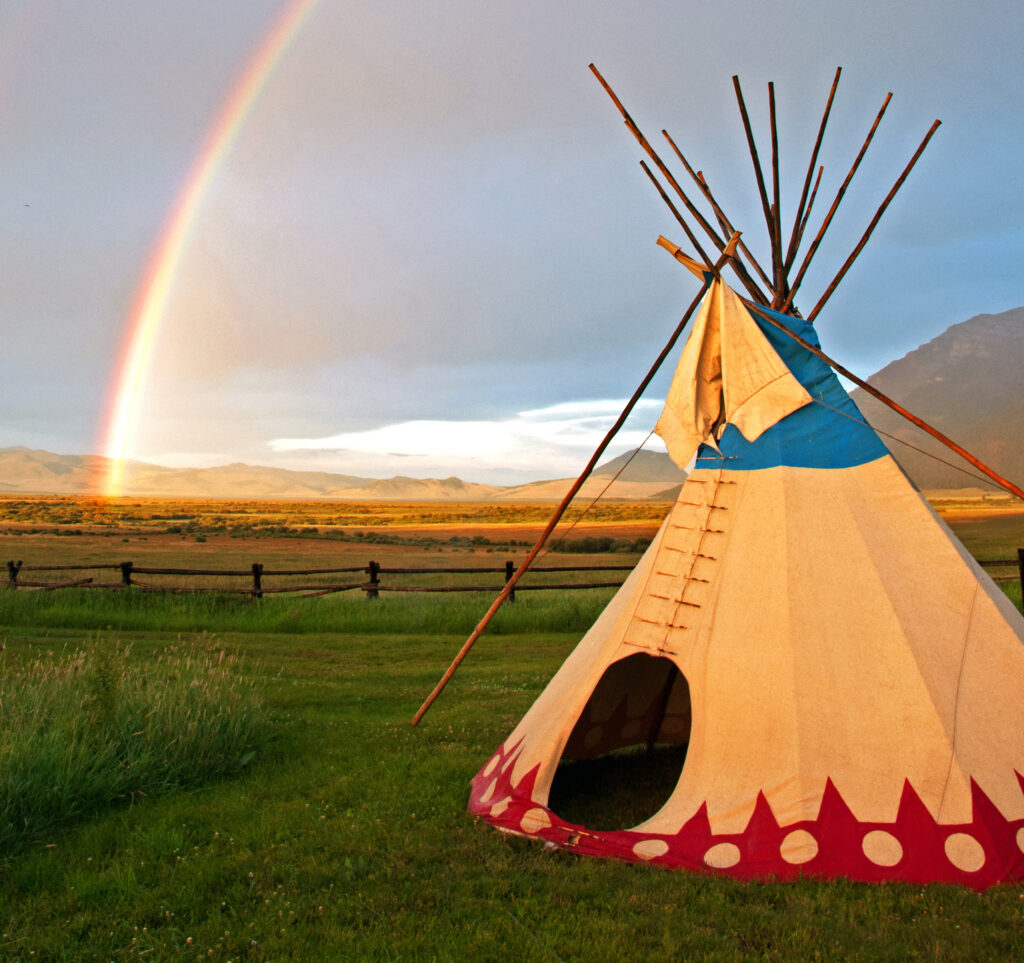
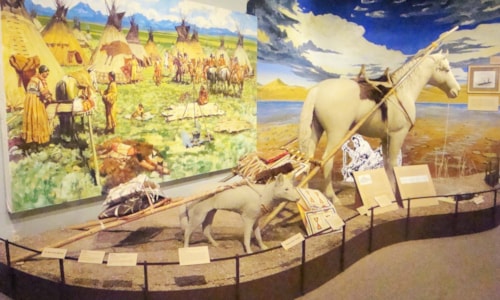
Red Rock Lakes Wilderness is a perfect example of the impacts of good wildlife and habitat management. Dense vegetation is maintained for nesting and rearing habitat, while prescribed grazing is granted to cattle ranchers to mimic the historic grazing of bison. Over 230 species of birds are consistently viewed around the Red Rock Lakes, with hundreds of thousands of birds gathering during the nesting season. Before colonization, the Centennial Valley served as a travel route to the Shoshone, Bannock, and Nez Perce peoples, in addition to other nomadic tribes.
Many creeks, located near the headwaters of the Missouri River, meet to form Upper Red Rock Lake, Lower Red Rock Lake, and the River Marsh. Snowmelt from the towering Centennial Mountains replenishes the Wilderness and Refuge’s lake and marsh areas. The riparian areas, or semi-wetland zones, help maintain integral spawning habitat for aquatic life, like west slope cutthroat trout and one of the last native Arctic grayling populations.


