Blue Ribbon Fishing in Southwest Montana
“I fish because I love to; because I love the environs that trout are found, which are invariably beautiful, and hate the environs where crowds of people are found, which are invariably ugly … because in a world where most men spend their lives doing things they hate, my fishing is at once an endless source of delight and an act of small rebellion … not because I regard fishing as being so terribly important but because I suspect that so many other concerns of men are equally unimportant – and not nearly so much fun.”
-Robert Traver
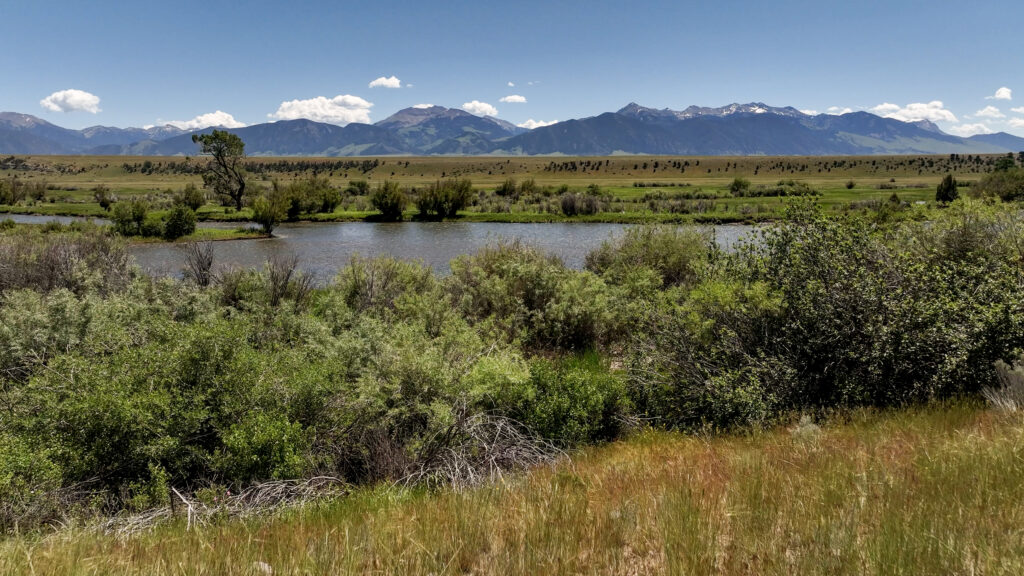
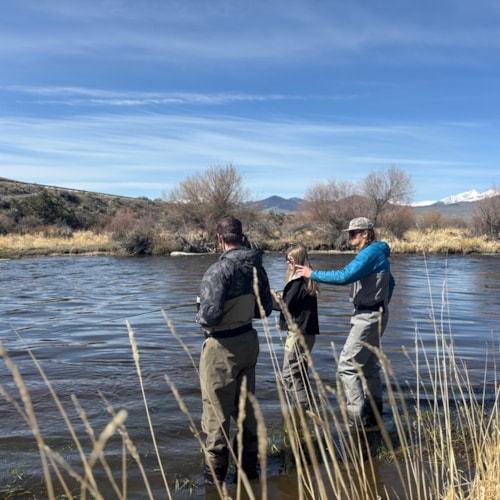
Southwest Montana holds some of the finest natural trout streams in the United States, and they’re located in every corner of the region. So wherever you’re traveling in Southwest Montana, you are bound to find some fantastic fishing. The Madison, Missouri, Blackfoot, Rock Creek, Big Hole, Beaverhead, and Ruby rivers all draw anglers back year after year for the same reasons, cold water, impressive insect hatches, and tons of trout. If you prefer lake fishing, we have plenty of that as well!
With so much water to cover, we couldn’t possibly list them all (check out a comprehensive list of rivers in Southwest Montana). So here’s a closer look at a few of our favorite blue ribbon streams for fly fishing:
Madison River
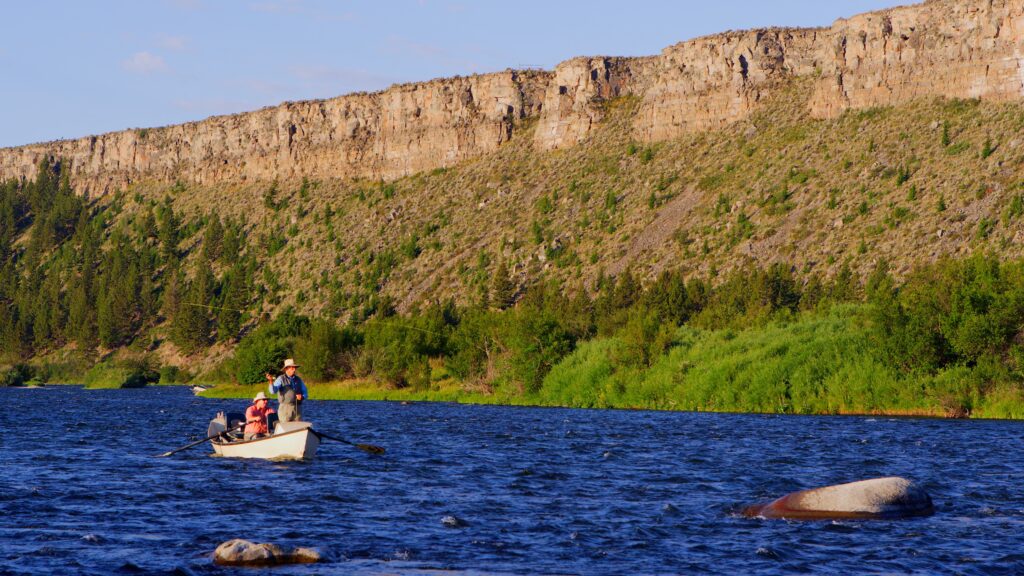
Flowing through a lush ranching valley girded by snowcapped peaks, the “Fifty Mile Riffle” of the Madison River deserves its reputation as the best trout stream in Montana. The Madison flows straight and quick through Southwest Montana, the expansive Madison Valley unfolding to either side. To the east, the dramatic Madison Mountains rear from the valley floor; to the west, the Gravelly Range rises from the plain, following the river north. Vast quantities of trophy brown and rainbow trout call the Madison home. Not to mention an abundance of other critters, like moose, pronghorn, and plenty of birds, call the valley and the river home.
Big Hole River
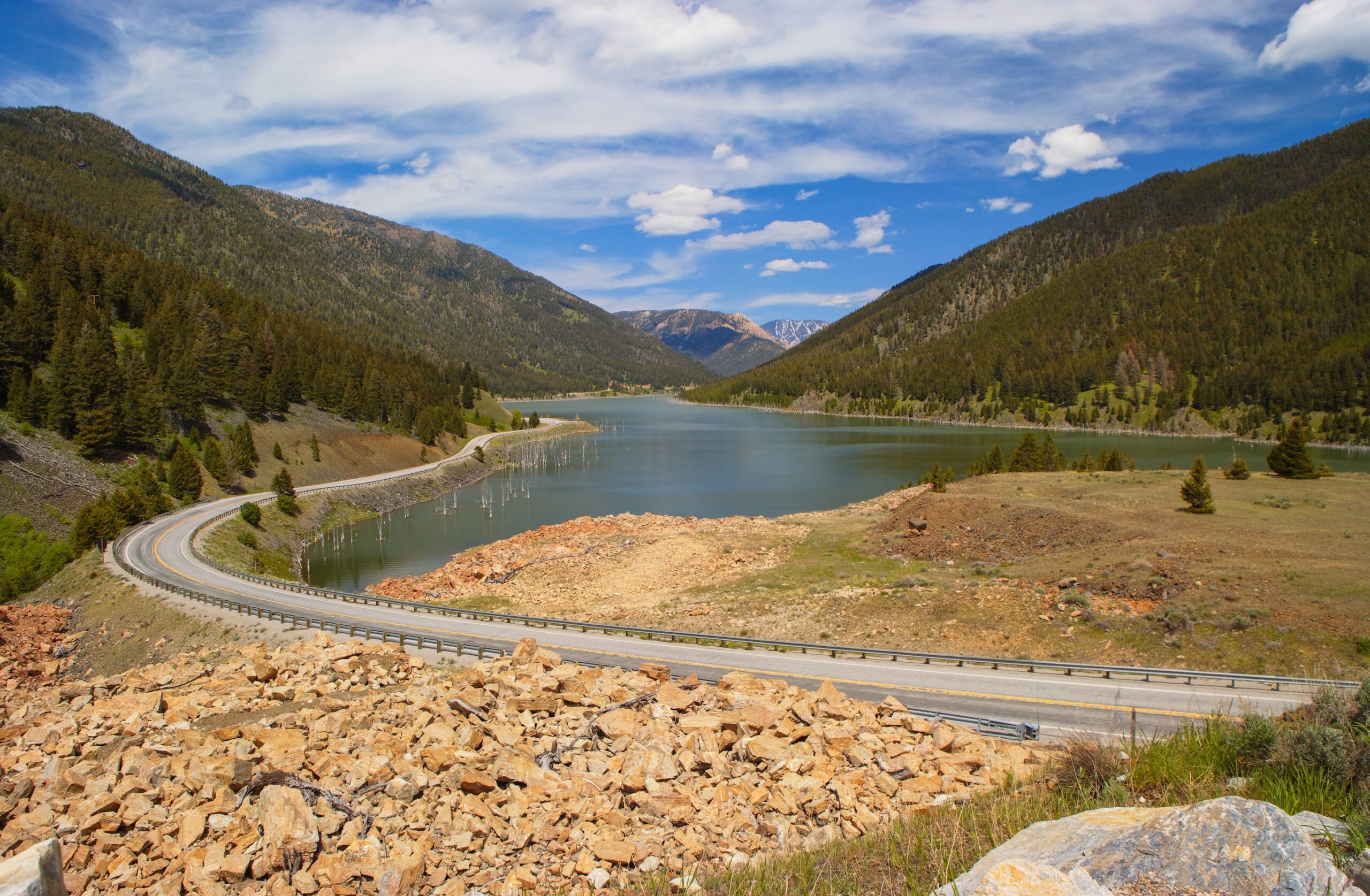
When locals think of a pristine mountain river perfect for fly fishing, we instinctively envision the Big Hole. The Big Hole River tumbles more than 150 miles from its headwaters high in the Beaverhead Mountains, braids through lush hayland before it shoulders the Pioneer Mountains and riffles through a narrow canyon. From there, the Big Hole winds its way to the confluence with the Beaverhead to form the Jefferson River. The Big Hole offers opportunities to fish for trophy rainbow, brook, and brown trout, as well as fluvial Arctic grayling, a fish unique to the Big Hole, being one of the last surviving native populations in the lower 48.
Blackfoot River
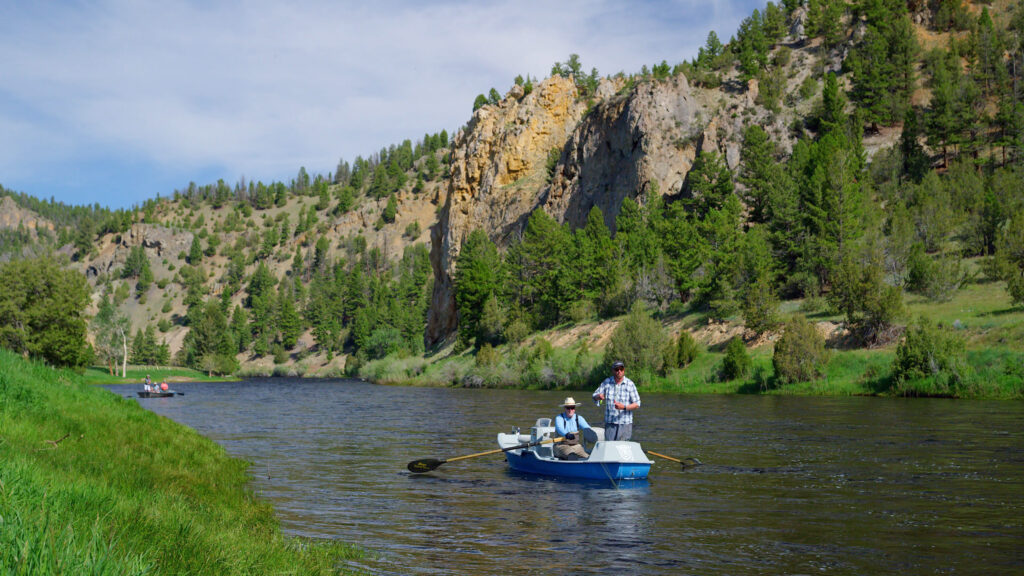
The Blackfoot is the river featured in the dramatic prose of Norman Maclean’s A River Runs Through It. The opal pools and emerald riffles of the Blackfoot River have run through the collective imagination since the release of Maclean’s novella that elevated a simple trout stream to a literary landmark. The river begins near the Continental Divide, just a few miles northeast of Lincoln, Montana. The Blackfoot cuts through a less densely populated area of Montana, where you will find an abundance of wildlife, including elk, moose, bighorn sheep, osprey, eagles, and more.
Beaverhead River
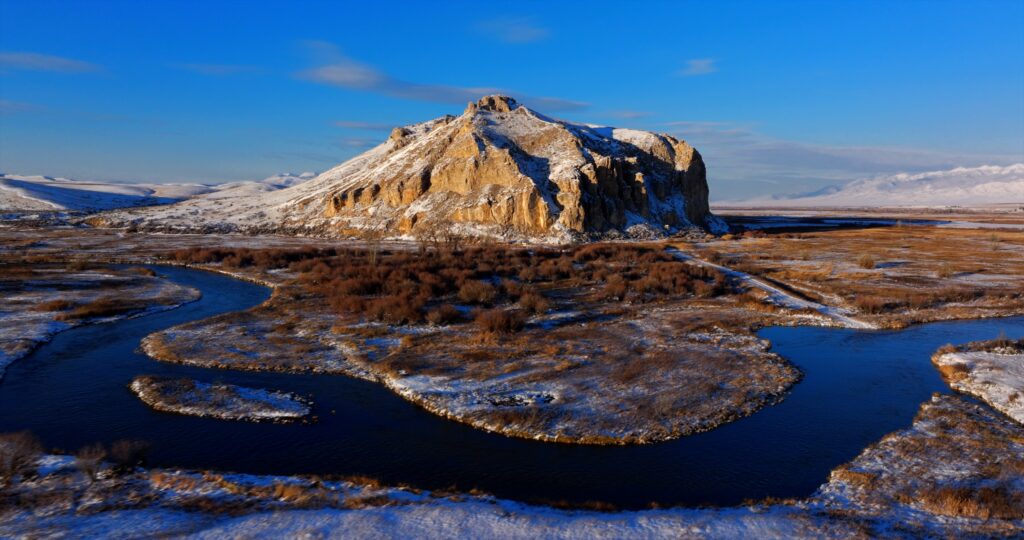
The Beaverhead River flows for nearly eighty miles from Clark Canyon Reservoir to its confluence with the Big Hole River in Twin Bridges, Montana, forming the Jefferson River. With its willowy banks, tight twists, and fluctuating water levels, the Beaverhead offers plenty of challenges, even to the most skilled anglers. The challenge does not come without rewards, though; the river boasts more trophy brown trout than any other waterway in the state.
Explore More From the Blog
11 Things to Do on Highway 41 (Whitehall, Twin Bridges and Dillon)
Read Blog PostRuby River
The Ruby River sees a fraction of the pressure of other rivers nearby, that is, fewer anglers fighting for the same trout, and that’s exactly why the ones who fish it love it. The river drops out of the mountains between the Snowcrest Range and Gravelly Range, meanders through high country before it feeds the Ruby Reservoir, and then the landscape opens up to vast ranchland as it heads to join the Beaverhead just south of Twin Bridges, Montana. The Ruby is a smaller body of water than its neighbors, but it holds some seriously big trout, most measuring up to 14 to 18 inches. The river is chock-full of brown trout, but anglers will also find rainbow and cutthroat trout.
Rock Creek
Few rivers reward patience quite like Rock Creek. If you spend the day throwing enough flies here, it’s entirely possible to attain the fabled “Grand Slam” by catching five different species of trout, cutthroat, rainbow, brown, bull, and brook trout in a single day. Rock Creek starts high in the mountains south of Philipsburg, Montana, then runs between the Sapphire and Long John ranges for more than fifty miles before it reaches the Clark Fork.
Missouri River – Below Holter Dam
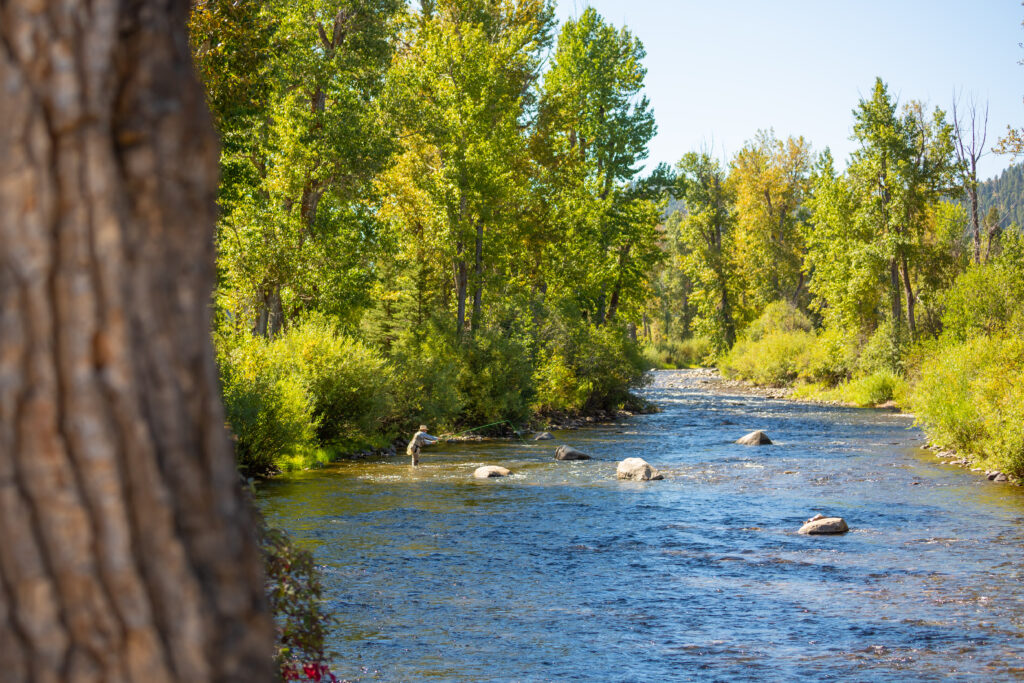
Long before Montana was a state, this river was carving its way across the land, charting the path for Lewis and Clark, shaping early settlements and feeding the valleys. Anglers have a simpler way of putting it; they just call it the Mighty Mo. The wide, unhurried river is an iconic landmark of Big Sky Country, and it’s easy to see why. In Southwest Montana, below Holter Dam, roughly 35 miles of the Mighty Mo carry the blue ribbon designation. Steady, cold water released from the reservoir offers near-perfect fishing conditions year-round. Not to mention, the fish here aren’t small; 20-inch rainbows show up regularly.
Resources for Montana Anglers
Montana Fish, Wildlife & Parks adjusts angling regulations and hoot-owl restrictions on these rivers as conditions change through the season. So it’s worth checking current rules before you head out, especially on the Big Hole, Beaverhead, and Ruby rivers. If you don’t know where to start, book some time with a local fishing guide. There are many guides and outfitters based around the region who always know which flies are working and where water conditions are most favorable. Going out with a professional can really save a first-time visitor a lot of guesswork about fly selection and water conditions.
Montana Fish, Wildlife & Parks Resources for Anglers: